
Bd. 87 (2026): Mehr als eine Anthropologie der Krise. Eine Festschrift zur Würdigung von Gisela Welz
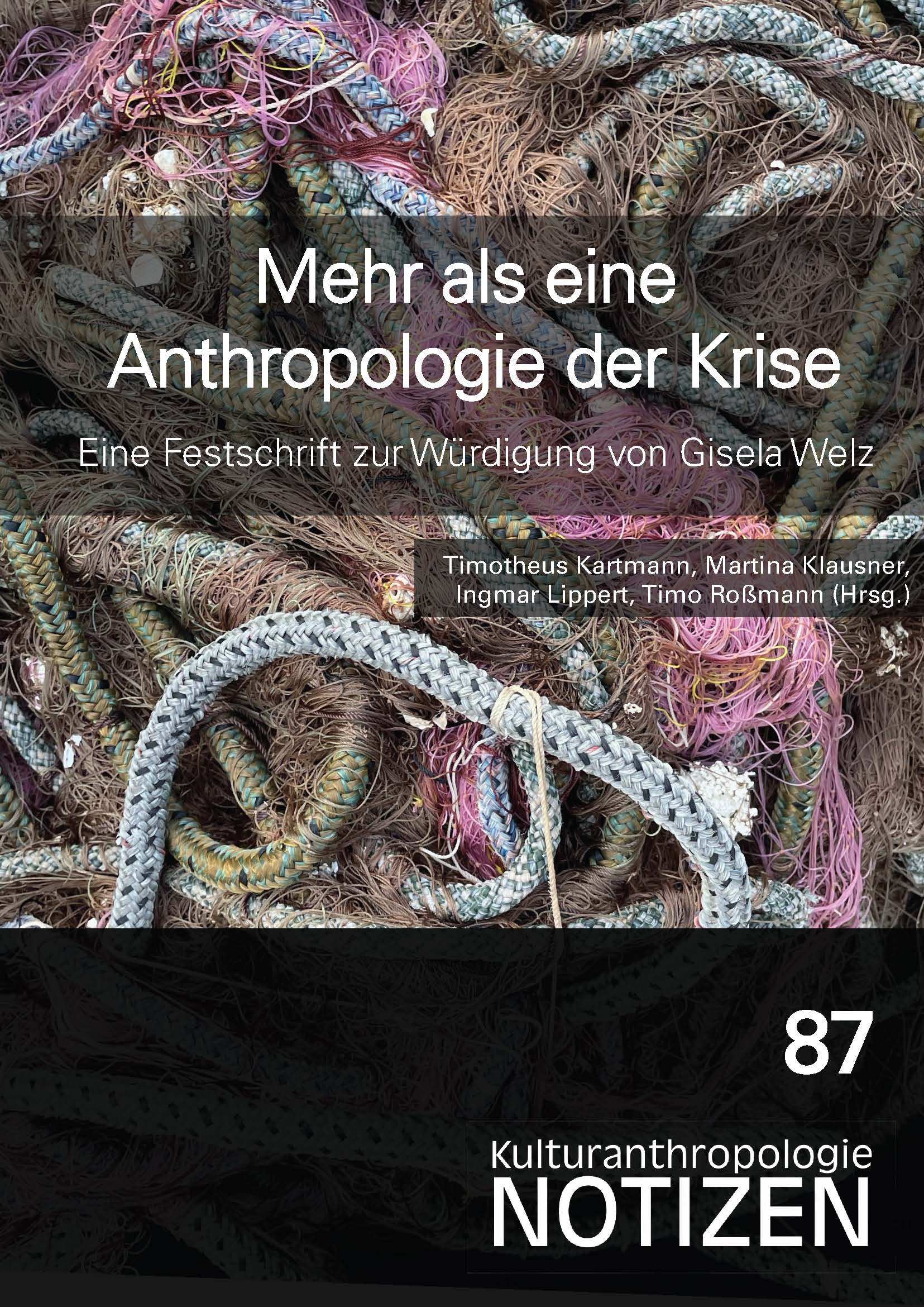
Gisela Welz hat sich in ihrem langjährigen wissenschaftlichen Schaffen stets mit zentralen Themen der Kulturanthropologie und Europäischen Ethnologie auseinandergesetzt. Stadt, Umwelt, Wissen, Globalisierung, Europäisierung – das sind nur einige der großen Schlagwörter, zu denen ihr Werk spricht. In der Auseinandersetzung mit diesen Themen zeugt ihre ethnografische Arbeit von einer besonderen Sensibilität für jene Momente, in denen sich das Alltägliche und Unscheinbare an den Auswirkungen großer Veränderungen reibt. Ihre Arbeiten berühren ein Spannungsfeld, das sich aus unserer Sicht treffend als „Mehr als eine Anthropologie der Krise“ beschreiben lässt: Transformation, Disruption, Prekarität, umkämpfte Ressourcen (was wir heute oft als Krisen bezeichnen oder empfinden) waren für sie stets ein zentrales Motiv der Aushandlungen der Menschen, deren Lebensrealitäten sie erforschte. Jedoch diente der Begriff der Krise ihr nie als analytischer Ausgangspunkt. Vielmehr verfolgte sie aufmerksam, als er sowohl wissenschaftlich („Krise der Repräsentation“) als auch politisch an Bedeutung gewann, etwa als Legitimation tiefgreifender Veränderungen in Zypern nach der Finanz- und Weltwirtschaftskrise 2008. In der Rückschau auf Gisela Welz’ bedeutendes Werk schließen wir an einige ihrer Fragen an und greifen sie für eine Auseinandersetzung mit dem „Mehr der Krise“ auf: Was genau geschieht, wenn Phänomene, Konstellationen und Erfahrungen als krisenhaft gerahmt werden? Wie durchleben Menschen Wandel und Beständigkeit zugleich? Wie lassen sich politische Regulierung und lokale Aneignungspraktiken in ihrer Widersprüchlichkeit in den Blick nehmen? Welche Machtverhältnisse kommen zum Tragen, wenn bestimmte Zustände als Krise konstruiert werden? Welche Realitäten produziert die Rede von der Krise selbst?
Die Beiträge dieser Festschrift knüpfen an diese Fragestellungen an und loten aus, was es bedeutet, Krise als machtvolles Deutungsmuster oder als gelebte Erfahrung zu begreifen. Allen Autor:innen dieser Festschrift gemeinsam ist das Vertrauen in das, was Gisela Welz’ Arbeit auszeichnet: ein Gespür für die unordentlichen, widersprüchlichen Prozesse des Wandels als Erkenntnisquellen – und die Überzeugung, dass Ethnografie gerade dort einen unschätzbaren Beitrag leisten kann, wo vermeintliche Gewissheiten brüchig werden. Vor allem plädieren die Beiträge dafür, dass ethnografische Forschung sich einmischen und gemeinsam mit Partner:innen auch außerhalb der Disziplin und der Akademie Maschen für solidarische Netze knüpfen muss. Diese Festschrift ist daher mehr als ein Rückblick auf ein wegweisendes Werk: Sie ist eine Einladung, mit Gisela Welz weiterzudenken. Wie kann eine Anthropologie aussehen, die in unruhigen Zeiten nicht resigniert, sondern weiterhin beobachtet, diskutiert und mitgestaltet?
Kartmann, Timotheus, Martina Klausner, Ingmar Lippert und Timo Roßmann (Hgs.) (2026): Mehr als eine Anthropologie der Krise. Eine Festschrift zur Würdigung von Gisela Welz. Kulturanthropologie Notizen 87.